
Efficient energy management systems (EMS) have become a cornerstone of sustainable living, industrial efficiency, and cost savings. As energy consumption rises globally, businesses, households, and communities are seeking smarter ways to monitor, control, and optimize their energy usage. An EMS is a combination of technology, processes, and analytics designed to ensure energy is used efficiently, costs are minimized, and environmental impact is reduced. Understanding the logic behind these systems can help homeowners and organizations make smarter energy decisions.
1. What is an Energy Management System?
An energy management system is a framework that monitors, controls, and optimizes energy consumption across a building, facility, or organization. It can integrate software, sensors, meters, and communication networks to provide real-time data on energy usage. The system identifies inefficiencies, predicts energy needs, and enables automated responses to reduce wastage. EMS solutions can be applied in residential, commercial, and industrial settings, making them versatile tools for sustainability and cost efficiency.
2. Real-Time Energy Monitoring
At the heart of an EMS is real-time monitoring. Sensors and smart meters track electricity, gas, and water usage continuously, providing insights into consumption patterns. By analyzing this data, users can identify high-energy devices, peak usage times, and areas where energy is wasted. Real-time monitoring allows immediate corrective action, whether it’s turning off unused equipment, adjusting HVAC systems, or scheduling energy-intensive tasks during off-peak hours. This approach minimizes energy waste while maintaining comfort and productivity.
3. Automation and Control
Automation is a key feature of efficient energy management systems. EMS can automatically adjust lighting, heating, cooling, and other systems based on occupancy, weather conditions, or pre-set schedules. For example, lights in unoccupied rooms can be turned off automatically, and HVAC systems can be optimized to match real-time temperature needs. Automation reduces human error, ensures consistent energy efficiency, and allows systems to respond dynamically to changes in demand.
4. Data Analytics and Predictive Management
Modern EMS platforms use advanced analytics and machine learning to predict energy needs and optimize usage. Predictive management allows systems to anticipate demand, such as increasing heating just before peak occupancy or storing energy in batteries when renewable sources generate excess electricity. Analytics can also identify trends over time, helping organizations implement long-term energy strategies and make informed investment decisions in energy infrastructure.
5. Integration with Renewable Energy
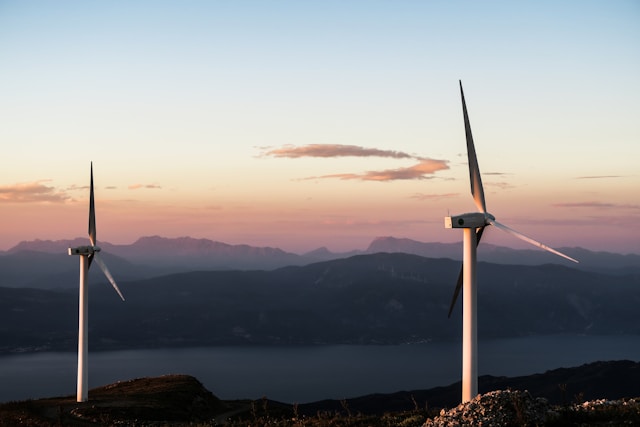
One of the major advantages of an EMS is its ability to integrate renewable energy sources like solar panels, wind turbines, and battery storage. The system can balance energy generated from these sources with consumption needs, ensuring optimal use of clean energy while minimizing reliance on fossil fuels. For example, excess solar power generated during the day can be stored and used at night, reducing grid dependency and costs. EMS enables homes and businesses to fully leverage renewable energy efficiently.
6. Demand Response and Peak Load Management
Energy costs often spike during periods of high demand. EMS allows for demand response strategies that reduce consumption during peak hours. By shifting non-essential operations to off-peak periods or drawing energy from stored sources, organizations can lower costs and reduce strain on the grid. This not only saves money but also contributes to overall grid stability and sustainability.
7. Cost Savings and Operational Efficiency
Implementing an EMS provides immediate financial benefits. By identifying waste, optimizing operations, and leveraging renewable energy, energy costs can be significantly reduced. For businesses, this translates into lower utility bills, reduced operational expenses, and improved profitability. In homes, the savings come from more efficient heating, cooling, lighting, and appliance usage. Over time, these savings can offset the cost of installing and maintaining an EMS.
8. Environmental Benefits
The logic of an EMS extends beyond cost savings to environmental stewardship. Efficient energy use reduces greenhouse gas emissions, conserves natural resources, and decreases the overall environmental impact of electricity consumption. By optimizing energy usage across sectors, EMS contributes to global sustainability goals and helps combat climate change.
9. Scalability and Flexibility
Energy management systems are highly scalable and adaptable. They can be implemented in a single household, a multi-story commercial building, or an entire industrial facility. Modular designs and cloud-based platforms allow for flexibility, enabling users to expand the system as their energy needs grow. This scalability makes EMS suitable for a wide range of applications, from individual homes to smart cities.
10. Future of Energy Management Systems
The future of EMS lies in increased connectivity, AI-driven optimization, and integration with smart grids. Systems will be able to communicate seamlessly with renewable energy sources, electric vehicles, and community energy networks to create a fully intelligent and responsive energy ecosystem. Predictive analytics will become more advanced, enabling preemptive energy management, while automation will make real-time adjustments virtually invisible to users, maintaining comfort without compromising efficiency.
Conclusion
Efficient energy management systems are a logical response to the growing demand for sustainable, cost-effective energy solutions. By combining real-time monitoring, automation, analytics, and integration with renewable energy, EMS enables households, businesses, and communities to optimize energy use, reduce costs, and minimize environmental impact. The core logic of EMS is simple: measure, analyze, control, and optimize. Yet, when applied with advanced technology and strategic planning, it transforms energy management into a powerful tool for sustainability and financial efficiency.

