
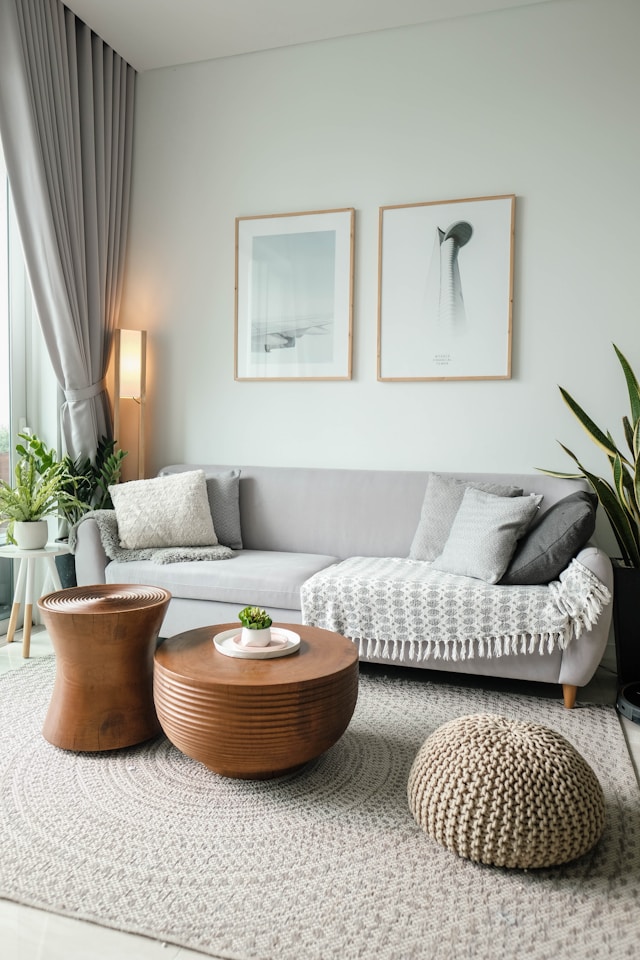
Creating a green and eco-friendly home is no longer just a trend—it’s becoming a necessity. With environmental concerns on the rise, making sustainable choices in your living space can have a meaningful impact on both the planet and your personal well-being. A green home not only reduces your carbon footprint but also promotes a healthier lifestyle, saves money, and enhances the aesthetic appeal of your space. Here are ten simple and practical ways to transform your home into a green haven.
1. Maximize Natural Light
One of the easiest ways to make your home more eco-friendly is by maximizing natural light. Natural sunlight reduces the need for artificial lighting, cutting down on energy consumption. Use sheer curtains or blinds that allow sunlight to filter through. Position mirrors strategically to reflect light into darker areas of your home. Not only does this save energy, but it also creates a warm and inviting atmosphere that can uplift your mood.
2. Switch to Energy-Efficient Appliances
Replacing old appliances with energy-efficient models can significantly reduce electricity usage. Look for devices with the Energy Star label, which meet strict energy efficiency guidelines. Energy-efficient appliances such as refrigerators, washing machines, and air conditioners use less power, lowering your utility bills and conserving resources. Even small changes, like switching to LED bulbs or smart thermostats, can make a big difference over time.
3. Adopt a Sustainable Water System
Water conservation is a critical aspect of a green home. Installing low-flow faucets, showerheads, and toilets can help reduce water usage without compromising comfort. Consider collecting rainwater for gardening or other non-potable uses. Fix any leaks immediately, as even a small drip can waste gallons of water daily. Efficient water use not only benefits the environment but also reduces your household bills.
4. Use Eco-Friendly Materials
When renovating or redecorating your home, opt for sustainable and eco-friendly materials. Bamboo flooring, reclaimed wood furniture, and recycled metal fixtures are excellent choices. Avoid products containing harmful chemicals like formaldehyde or VOCs (volatile organic compounds), which can negatively affect indoor air quality. Choosing natural paints, fabrics, and building materials contributes to a healthier living environment for you and your family.
5. Embrace Indoor Plants
Indoor plants are a simple yet powerful way to make your home greener. They naturally purify the air, improve humidity levels, and reduce stress. Popular options include snake plants, peace lilies, and pothos, which are low-maintenance and highly effective at removing toxins from indoor air. Place plants in areas with adequate sunlight and water them regularly. Beyond their environmental benefits, plants also add beauty and life to your home.
6. Reduce, Reuse, and Recycle
Adopting the principles of reduce, reuse, and recycle is essential for a sustainable home. Minimize waste by buying only what you need and choosing products with minimal packaging. Reuse items whenever possible, such as glass jars, fabric bags, and old furniture. Establish a recycling system for paper, plastics, and metals. Educating your family about these practices ensures everyone contributes to a greener household.
7. Improve Insulation and Ventilation
Proper insulation and ventilation are key to reducing energy consumption in your home. Well-insulated walls, floors, and ceilings prevent heat loss during winter and keep your home cooler during summer. Ventilation ensures fresh air circulates, reducing the need for air conditioning and improving indoor air quality. Consider energy-efficient windows and doors, weather stripping, and ceiling fans to maintain a comfortable temperature naturally.
8. Choose Renewable Energy Sources
Switching to renewable energy sources is a long-term investment in sustainability. Solar panels, for example, can significantly reduce your dependence on the grid and lower electricity bills. Some regions offer incentives or tax credits for installing solar or wind energy systems. Even if full installation isn’t feasible, you can explore green energy plans offered by local utility providers to power your home with renewable sources.
9. Practice Eco-Friendly Gardening
If you have outdoor space, eco-friendly gardening can enhance your green home. Plant native species that require less water and maintenance. Compost kitchen scraps to create nutrient-rich soil for your garden. Avoid chemical fertilizers and pesticides, opting for organic alternatives instead. Growing your own vegetables and herbs reduces food waste and ensures fresh, chemical-free produce for your family.
10. Adopt a Minimalist Mindset
Simplicity and minimalism go hand in hand with sustainability. A minimalist approach encourages mindful consumption and reduces clutter, making it easier to maintain an eco-friendly home. Focus on quality over quantity, choosing durable items that last longer. Declutter regularly and donate or recycle items you no longer need. A minimalist home not only conserves resources but also promotes mental clarity and a sense of calm.
Conclusion
Transforming your home into a green haven doesn’t have to be complicated or expensive. By implementing these ten simple strategies—maximizing natural light, using energy-efficient appliances, conserving water, choosing eco-friendly materials, embracing indoor plants, practicing the three R’s, improving insulation, using renewable energy, gardening sustainably, and adopting minimalism—you can create a healthier, more sustainable living environment. Every small step contributes to a larger impact, protecting the planet while enhancing your quality of life. Start today and enjoy the benefits of a home that is both environmentally responsible and beautifully serene.

